
Prohibitive replacement cost
New all-in-one smart coolers cost USD 1,000-3,500+ per unit, requiring massive capital expenditure and heavy fixed-asset write-offs.
Case study 04 · Smart cooler retrofit
How a tier-one dairy and beverage leader achieved real-time shelf visibility, >95% SKU recognition and sub-30-second power-outage protection without replacing a single legacy cabinet.
The business outcome. A retrofit that turned an existing 20,000-unit cooler fleet into cloud-connected smart assets at 1%-2% of the cost of new smart cabinets — without replacing a single unit.
01The challenge
Managing tens of thousands of commercial coolers across diverse retail outlets created four major operational bottlenecks for a tier-one dairy and beverage manufacturer.
New all-in-one smart coolers cost USD 1,000-3,500+ per unit, requiring massive capital expenditure and heavy fixed-asset write-offs.
Field reps could only audit outlets periodically, leading to delayed replenishment, poor planogram compliance and frequent competitor intrusion.
Store owners unplugged coolers overnight to save electricity — spoiling temperature-sensitive dairy — or relocated brand-owned equipment without authorisation.
High humidity, condensation, deep-freeze temperatures down to −25 °C and weak cellular signals caused conventional IoT cameras to fog up or lose data.
02The solution
VantageView deployed the Sentry Smart Cooler Retrofit System, upgrading existing single-door, double-door and chest freezers into cloud-connected smart assets in 15-20 minutes per unit — without modifying refrigeration lines or disrupting store operations.
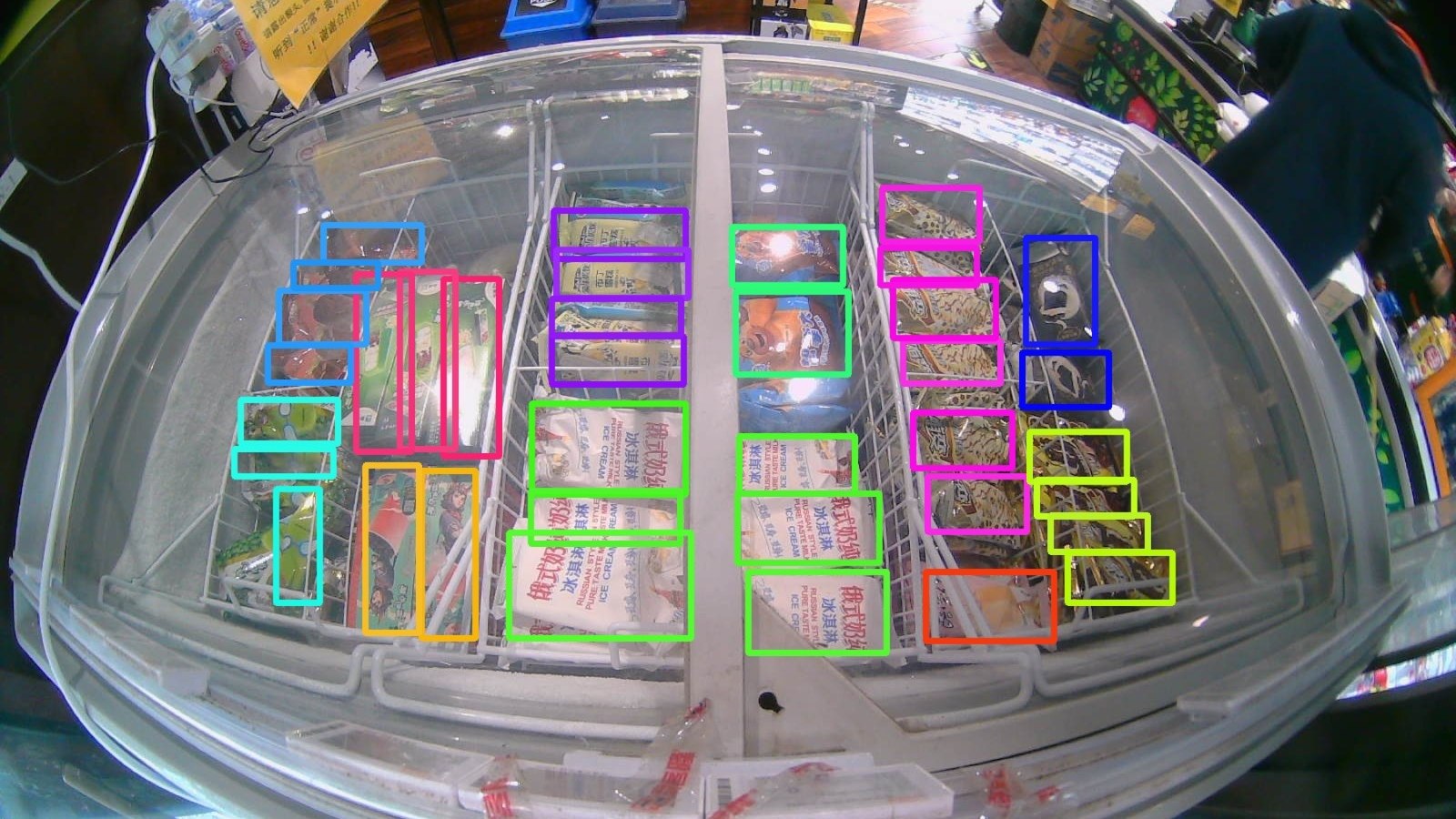
Industrial low-light cameras with hydrophobic nano-coatings and adaptive low-temperature heating capture sharp shelf images across 4-6 tiers within 3 seconds of every door close — eliminating lens fogging and frost.
Triggered by magnetic door sensors rather than continuous streaming, minimising data use. Built-in local storage guarantees full data recovery once connectivity resumes in weak-signal zones.
Deep-learning models optimised for FMCG packaging deliver over 95% SKU recognition accuracy; new seasonal SKUs are trained and deployed over the air within 3-5 business days.
Industrial backup batteries distinguish normal compressor cycles from physical unplugging, pushing alerts with the final temperature log within 30 seconds.
Shelf insights and alerts connect into the client DMS and SFA systems via API or webhook, automatically dispatching restocking and maintenance tickets to field reps.
The retrofit is compatible across cooler brands and models already in the field, so the existing asset base — not a new one — becomes the connected fleet.
03Retrofit vs. replacement
Hardware capex per unit, drawn to scale. At the midpoint of each range the retrofit is about 98% cheaper.
| Evaluation dimension | New all-in-one smart cooler | Sentry modular retrofit |
|---|---|---|
| Hardware CapEx per unit | USD 1,000 - 3,500+ | USD 40 - 130 (98% cost saving) |
| Deployment time | Weeks to months, heavy logistics | 15-20 minutes during routine store visits |
| Fleet compatibility | Replaces existing fixed assets | 100% compatible across brands and models |
| Primary B2B focus | Unmanned convenience retail and vending | Planogram compliance, out-of-stock and asset security |
04Implementation
Every cooler and freezer mapped by model, site and condition.
Validated across climate zones before scaling.
Category models trained for the client product mix.
Connectivity certified market by market.
App-guided installation, one barcode per unit.
The standardised five-step rollout let the enterprise scale at 1,500-2,500 units per week across markets.
05Business impact
Real-time out-of-stock and brand-purity alerts reclaimed prime facings from competitors and boosted peak-season sell-through.
Automated digital shelf audits replaced manual photo reporting, freeing merchandisers to focus on high-priority restocking.
Instant power-loss notifications significantly reduced product spoilage and unauthorised cooler relocation.
06Why retrofit
The instinct with an ageing fleet is to replace it. But for most FMCG brands the constraint is not the cabinet — it is not knowing what is happening inside it. A retrofit puts sensing, recognition and alerting into equipment that is already in the field, at a cost that does not need a capital approval cycle measured in years.
It also keeps the asset base intact: 20,000 coolers stay 20,000 coolers, and the write-off that a full replacement would have forced never happens.
07More cases
Next step
One region, one quarter of data. We come back with the per-unit numbers and the decisions they support — the same shape as the case you just read.