
Solutions
The four most common terminal problems,
four ways to start directly.
Out-of-stock, display, ROI, temperature — nearly every problem in FMCG retail terminals falls into these four categories. Each scenario can be piloted on its own, or combined into one complete retail asset operation.
01Four scenarios
Which one hurts most right now?
Four core scenarios to pinpoint your problem. Pilot any one of them alone, then expand.
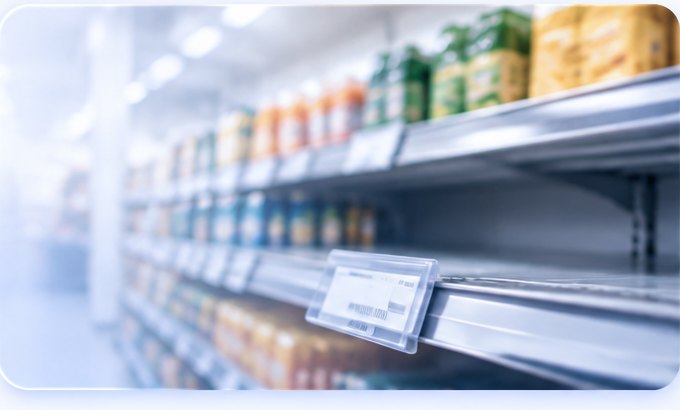
Out-of-stock alerts
Millisecond-level detection of empty facings; out-of-stock SKUs and outage duration automatically become replenishment tasks pushed to store owners and field reps.
Learn more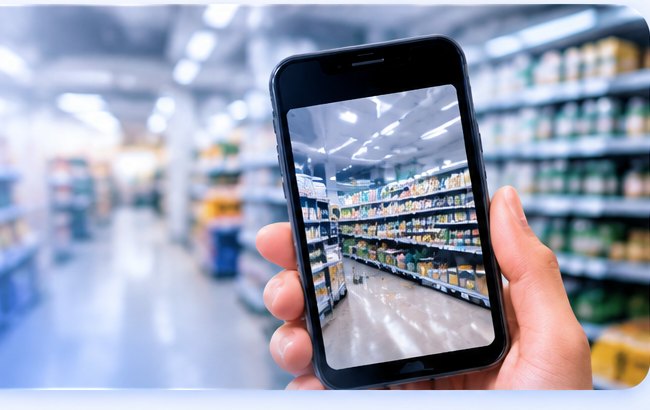
Remote shelf visibility
Field images become display compliance scores, share of shelf (SOS) and exception lists; competitor products in your reserved shelf space trigger instant alerts.
Learn more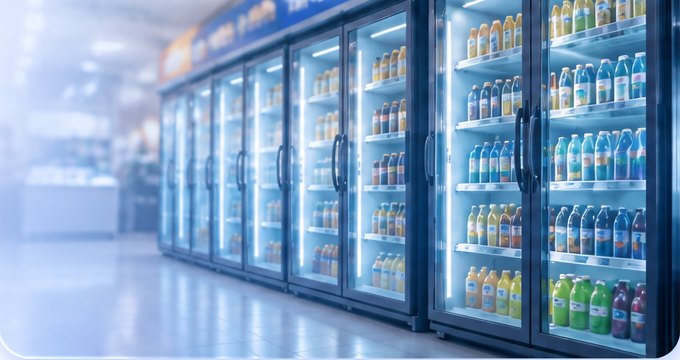
Cooler ROI evaluation
A four-dimension profile of power, door opens, cleanliness and output; dormant and encroached coolers automatically enter the list, so withdrawal and redeployment rest on evidence.
Learn more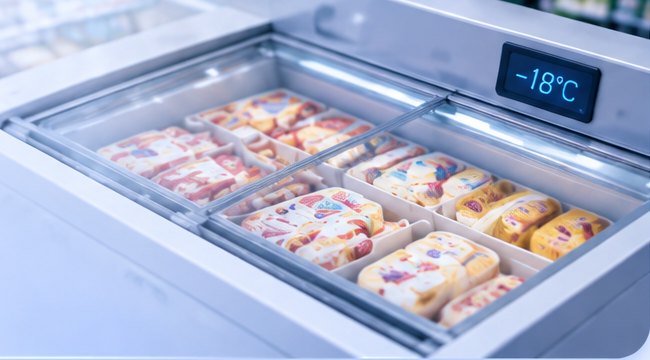
Ice cream cabinets
Millisecond-level power-failure alerts and temperature telemetry, layered with peak-season sell-through rhythms; manage loss and missed sales per cabinet.
Learn moreFigures are Sentry's core performance baseline, from the Sentry Retail Execution White Paper (2026); actual results depend on the project scenario and data conditions.
02How to choose
Start from the question you need to answer.
| Scenario | Question to answer | Main output | Typical start |
|---|---|---|---|
| Out-of-stock alerts | What is missing from this cooler today, and when to refill | Out-of-stock SKUs, outage duration, replenishment priority | Best-selling SKUs in key stores |
| Remote shelf visibility | Can HQ see the shelf without driving there | Compliance rate, share of shelf, exception list | Routine store visits in one province |
| Cooler ROI evaluation | Which coolers are idling, and should they be withdrawn | Per-cooler output ranking, low-performer list | One stocktake of all registered coolers |
| Ice cream cabinets | How to manage temperature, display and peak-season sell-through together | Temperature curves, display anomalies, per-cooler sell-through | Cooler health check before peak season |
03FAQ
More questions on choosing a scenario.
Are these four scenarios one product or four systems?
Four uses of the same platform, Sentry. The scenarios share the terminal asset ledger, the recognition models and the task system, so you can start with one and expand later without redeploying.
Can we start with just one scenario?
Yes. Most customers start with out-of-stock alerts or remote shelf visibility, because these two need the smallest investment and show results fastest.
We already have a store-audit system. Do we still need Sentry?
It depends on how much your current system covers. Sentry does not require replacing your existing SFA / DMS / ERP: fixed edge vision and mobile audits collect through two channels, and recognition results return into your existing workflows through standard APIs and messaging connectors.
What about fake photos uploaded by field reps?
Sentry has five built-in anti-fraud checks: LBS geofence validation, on-device encrypted time watermarks, screen re-photograph and printed-photo detection (moiré recognition), cross-store perceptual-hash duplicate comparison over 180 days, and storefront environment verification. The interception rate for fraudulent or re-photographed images is 99.5%.